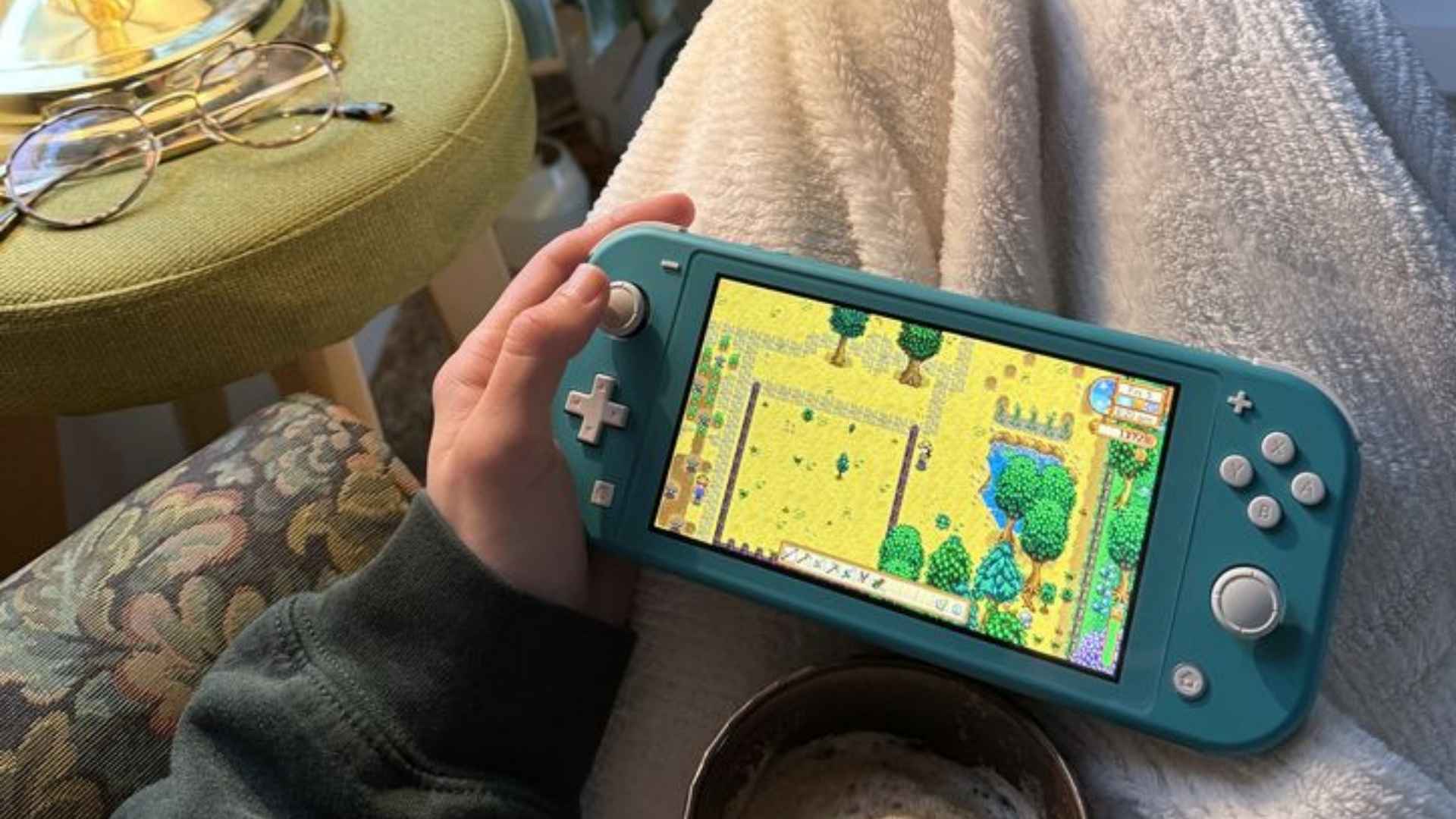
The relationship between interactive digital entertainment and physical dexterity has become a focal point for researchers studying motor skill development. Arcade games, specifically those requiring rapid responses to moving visual stimuli, provide a unique environment where players can sharpen their hand-eye coordination through repetitive and engaging practice.
The Science of Visual Processing and Motor Response
In high-intensity arcade environments, the brain must process complex visual information and translate it into physical movement within milliseconds. This process strengthens the neural pathways responsible for synchronizing what the eyes see with what the hands perform.
Studies suggest that consistent engagement with fast-paced titles can lead to measurable improvements in reaction times and spatial awareness. These cognitive gains are often transferable to real-world activities such as driving or participating in professional sports.
By constantly scanning the screen for subtle changes and reacting instantly, players develop a heightened sense of peripheral vision. This increased attentional control allows individuals to manage multiple streams of information more efficiently in their daily lives.
Fast-Paced Racing and Flight Simulators
Racing games are among the most effective tools for honing precision as they require constant adjustments to steering and speed. Maintaining a vehicle on a narrow track while avoiding obstacles demands a high level of concentration and steady manual control.
Modern racing cabinets often include force-feedback mechanisms that simulate real physical resistance, adding another layer of sensory input for the player. This tactile feedback helps the brain better understand the relationship between small hand movements and large-scale visual outcomes.
Similarly, flight simulators and speedboat racers like H2Overdrive force players to think in three dimensions. Navigating these environments successfully requires a deep understanding of momentum and timing, which significantly boosts motor skill accuracy over time.
Action and Shooting Games for Precision
Shooting-style arcade games require a specialized form of coordination that focuses on micro-movements and exact targeting. Success in these titles depends entirely on the ability to align a cursor or physical peripheral with a moving target on the screen.
The cognitive demands of these games include the suppression of distractions and the prioritization of relevant visual cues. Players who master these challenges often show improved performance in tasks that require sustained focus and fine motor precision.
For those interested in exploring how digital platforms integrate these skill-building elements into their entertainment offerings, visiting M88 Mansion provides insights into modern gaming trends. These interactive experiences are designed to keep the mind sharp while providing a rewarding sense of progression through difficult levels.
Rhythm and Musical Coordination Challenges
Rhythm-based arcade games take hand-eye coordination to a different level by introducing an auditory component to the visual task. Players must synchronize their physical actions with both flashing lights and a specific musical beat.
This multisensory integration forces the brain to work harder to maintain timing and accuracy across different types of input. The result is a highly sophisticated form of coordination that benefits both the cognitive and physical systems of the body.
Regular practice with rhythm titles can improve a player's ability to recognize patterns and anticipate upcoming events. This predictive capability is a hallmark of advanced motor skills and is essential for mastering complex physical tasks in any field.
Long-Term Benefits of Arcade-Style Training
Engaging with arcade games is more than just a source of entertainment; it is a form of active learning for the nervous system. The immediate feedback loop provided by the game helps players correct their movements and refine their techniques in real-time.
As technology continues to evolve, these games are becoming increasingly accessible on both mobile and desktop platforms. This convenience allows individuals to integrate short sessions of coordination training into their busy schedules without needing specialized equipment.
The future of digital rehabilitation and education likely includes these gamified elements to help patients recover motor functions or help students develop better focus. The balance between fun and functional training makes arcade games a timeless tool for personal development.